
Brisket is one of the hardest cuts of meat to get right. It takes hours on the smoker, moves through a stubborn stall around 150-170°F, and only turns tender once it hits the right internal temperature. Guessing is not an option here — a good meat thermometer for brisket is the difference between a cutting board full of dry, chewy slices and a brisket that pulls apart with almost no resistance.
This guide covers what to look for in a thermometer built for long smokes, the temperatures that actually matter for brisket, and which types of thermometers work best at each stage of the cook.
Why Brisket Needs More Than a Basic Thermometer
Steaks and chicken breasts cook fast, so a quick instant-read check is usually enough. Brisket is different:
- Long cook times. A full packer brisket can take 10-16 hours at low temperatures. Opening the smoker every 20 minutes to check the meat lets out heat and smoke, and stretches the cook even longer.
- The stall. Somewhere in the 150-170°F range, evaporative cooling stalls the rise in internal temperature for hours. Without a thermometer tracking this in real time, it’s easy to panic and pull the brisket too early.
- Carryover and resting matter. Brisket needs to rest for at least 30-60 minutes after cooking, and internal temperature keeps climbing during that time. A thermometer that can monitor the rest, not just the cook, gives a clearer picture of when it’s actually done.
For these reasons, the best tool for brisket is a leave-in probe thermometer rather than a handheld instant-read model used alone.
Features to Look For
Dual or multi-probe capability
A brisket cook benefits from tracking two things at once: the meat’s internal temperature and the smoker’s ambient temperature near the grate. A thermometer with at least two probes lets a cook see both readings side by side, rather than guessing whether the smoker is running hot or cold.
Wide temperature range and heat-resistant probes and cables
Smokers run anywhere from 225°F to 275°F for hours at a time, and some cooks finish briskets at higher heat. Probes and cables rated for high, sustained heat hold up better than cheaper models that degrade over repeated long cooks.
Wireless or Bluetooth range
Since a brisket cook often runs overnight, a thermometer that sends readings to a phone or a base station lets a cook step away, sleep, or run errands without babysitting the smoker. Look for a stated range that covers the distance from the smoker to the house.
Alarms for target and stall temperatures
Custom high and low alarms mean a cook gets notified the moment the brisket hits 203°F (a common target for slicing) or if the smoker temperature drops below a set threshold — useful for catching a dying fire before it affects the cook.
Fast, accurate instant-read backup
Even with a leave-in probe running, a fast instant-read thermometer is worth keeping on hand to double-check different spots on the brisket, since the flat and point sections cook at different rates.
Waterproofing and easy cleanup
A probe that can be rinsed off without damage makes cleanup after a long, greasy cook far less annoying.
What Temperature Should Brisket Be Pulled At?
- 195°F: Collagen and connective tissue have started breaking down, but the meat may still be firm in spots.
- 200-205°F: The most commonly cited range for a tender, sliceable brisket. Many pitmasters aim for 203°F as a sweet spot.
- The “probe tender” test still matters: Temperature is a strong guide, but the classic test is whether a probe or skewer slides into the thickest part of the flat with little resistance. Some briskets hit tender at 195°F, others need closer to 208°F.
Rather than pulling brisket purely by the clock, a leave-in thermometer with an alarm set around 200°F lets a cook start checking for that probe-tender feel at the right moment instead of guessing.
Which Type of Thermometer Works Best for Brisket?
Leave-in probe thermometers with a wired or wireless display
These stay in the meat for the entire cook and are the standard choice for brisket. A model with two probes — one for meat, one for smoker temperature — covers most of what’s needed for a long smoke.
Bluetooth and wireless remote thermometers
For overnight cooks or all-day smokes, a wireless option that reports temperature to a phone app removes the need to stay near the smoker the whole time. Range and connection stability matter more here than for a simple wired probe.
Instant-read thermometers
Best used as a companion tool rather than the primary method for brisket, since they only capture a single spot at a single moment. Handy for spot-checking the flat versus the point.
Smoking a brisket low and slow for 12+ hours means guesswork isn’t an option — a reliable meat thermometer for brisket is what separates a perfectly rendered flat from a dried-out disappointment. The right pick tracks both meat and pit temperature at once, holds a signal through walls and distance, and keeps working long after the sun goes down. Here’s a rundown of the models worth considering.
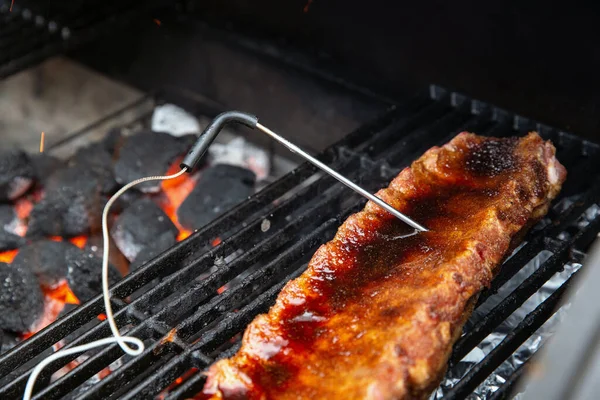
Top TempPro Picks meat thermometer for Brisket
TempPro TP20B — Dual Probe, RF Wireless, 500 ft Range
A straightforward, no-app option built around dedicated RF wireless technology rather than Bluetooth, so it holds a stable connection through walls and away from the smoker. The two stainless steel probes handle up to 572°F and let a cook track meat temperature and smoker temperature at the same time — a solid setup for anyone shopping for a meat thermometer for brisket and other long, low-and-low smokes.
TempPro TP829 — 4 Probes, 1000 ft Wireless
Built for bigger cooks or a full smoker packed with more than just brisket. Four probes mean the flat, the point, and the smoker grate can all be monitored at once, with enough range to cover a house and yard without dropouts.
Twin TempSpike TP970 / TP972 — Truly Wireless, Bluetooth, 600 ft
Fully wire-free probes that go straight into the meat with no cables running out of the smoker lid. Useful for anyone who wraps their brisket during the stall, since there’s no wire to manage under the foil or butcher paper. Two probes cover the flat and point separately.
TempSpike Pro TP980 — Wi-Fi + Bluetooth, 4 Probes, Unlimited Range
For overnight brisket smokes where a cook wants to check progress from another room, another floor, or away from home entirely. Wi-Fi connectivity removes the distance limits that come with Bluetooth-only or RF models, and four probes leave room to monitor a second cut alongside the brisket.
TempPro TP19H — Instant Read Companion
Not a replacement for a leave-in probe on brisket, but a fast, motion-sensing instant-read thermometer worth keeping nearby to spot-check the point versus the flat, or confirm a probe-tender feel near the end of the cook.
Common Mistakes When Using a Thermometer on Brisket
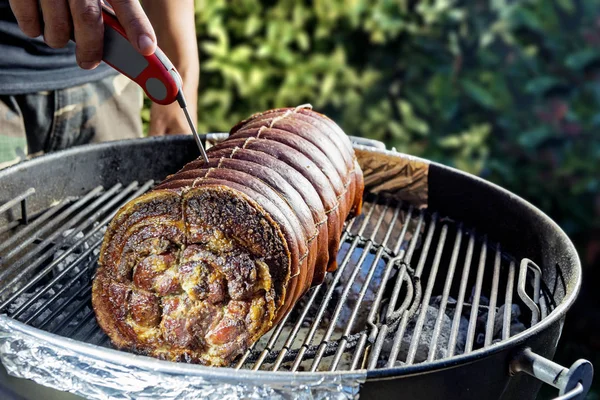
- “Placing the probe near fat or bone. This gives a false reading, which is why proper placement matters so much when using a meat thermometer for brisket. The probe tip should sit in the thickest part of the flat, away from fat pockets and the bone if one is present.”
- Trusting a single reading. Brisket cooks unevenly across the flat and point, so a single chek with a meat thermometer for brisket isn`t always enough. Checking more that one spot avoids pulling it based on a misleading number.
- Ignoring the stall. A flat or slow-rising temperature between 150-170°F is normal for a meat thermometer for brisket to show, not a sign something is wrong.”
150-170° - “Skipping the rest. Internal temperature keeps rising after the brisket comes off the heat — one more reason a good meat thermometer for brisket stays useful even after the smoker is off. Wrapping and resting for 30-60 minutes lets that carryover finish the job and lets juices redistribute.”
Frequently Asked Questions
What is the best internal temperature for brisket?
Most cooks target 200-205°F, with 203°F being a common reference point, combined with a probe-tender check in the thickest part of the flat.
Do I need two probes for brisket?
Two probes are not required, but tracking both the smoker temperature and the meat temperature at the same time makes it much easier to catch problems early and avoid guessing about how hot the smoker is actually running.
Can I use an instant-read thermometer for the whole brisket cook?
It works in a pinch, but opening the smoker repeatedly to check temperature lets out heat and extends the cook. A leave-in probe is a better primary tool, with an instant-read thermometer used for spot checks near the end.
Why did my brisket temperature stall for hours?
This is the stall, caused by moisture evaporating from the surface of the meat and cooling it. It is a normal part of the cook, not a malfunction of the thermometer or the smoker.
Final Thoughts
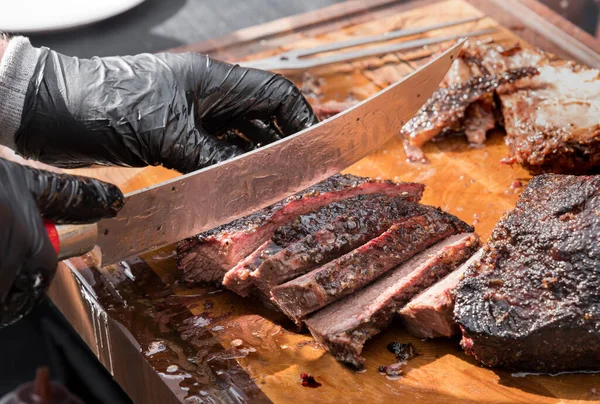
A brisket cook is long, unforgiving, and easy to get wrong without reliable temperature data. A thermometer with dual-probe tracking, a wide heat range, wireless monitoring, and custom alarms takes most of the guesswork out of a smoke that can run well past 12 hours. Combined with the classic probe-tender check, the right thermometer turns brisket from a stressful cook into a predictable one.